
The Normalised Combo That Can Turn Deadly Fast
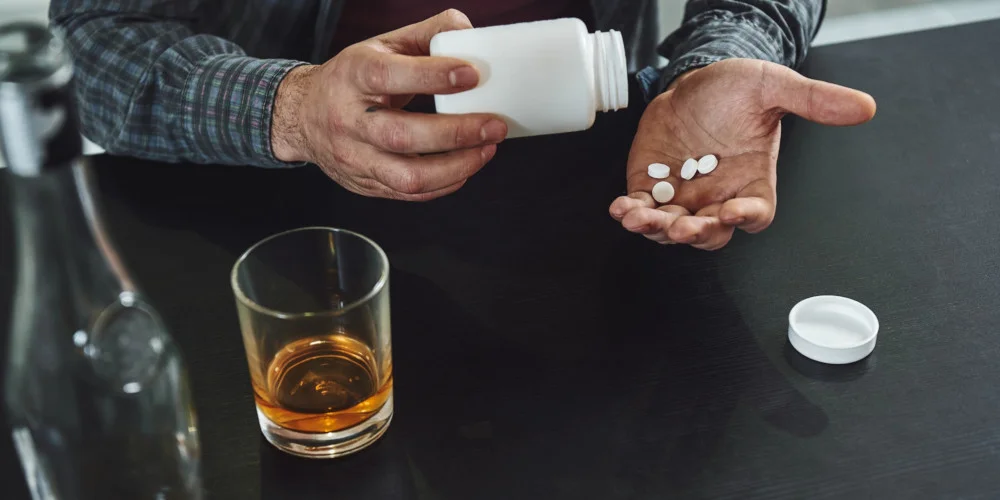
Mixing Pills And Alcohol
People picture medication abuse as something obvious, someone crushed on a couch, slurring, obviously out of it. The reality is usually quieter and far more socially protected. It is the person who has a drink to “take the edge off” and then takes a tablet to “finally sleep.” It is the person who says they are not abusing anything because the pills came from a doctor and the alcohol came from a shop, both legal, both normal, both socially excused.
This is one of the most dangerous combinations in the addiction world, because it hides inside respectable routines. It also escalates fast. What starts as a small nightly pattern can become dependence on two substances at once, with a higher risk of blackouts, accidents, medical emergencies, and long term mental health collapse. Families often miss it because nobody wants to question a prescription, and nobody wants to argue about alcohol in a culture where alcohol is treated like standard equipment for adult life.
If you want a conversation that strikes a nerve on social media, it is this. People will defend the combo because it feels like survival. They will say they are stressed, anxious, burnt out, and they need something to switch off. They are not lying about their suffering. They are lying about the solution.
The everyday story
Most people do not wake up and decide to mix pills and alcohol. It starts with one problem, anxiety or insomnia. Then someone finds a quick fix. Alcohol helps them relax. A pill helps them sleep. Together they feel like the perfect off switch.
At first it is occasional. A hard week. A rough day. A stressful meeting tomorrow. A family fight that will not leave the mind. The person drinks, takes the pill, sleeps, and wakes up relieved. Relief is powerful. Relief is reinforcing. The brain learns quickly, this is how we shut things down.
Then life keeps hitting. The person starts repeating the pattern more often. They begin to rely on it without calling it reliance. They tell themselves it is not addiction because they are still functioning. They are still working. They are still parenting. They are still paying bills. That functioning becomes the main defence, and it keeps the problem alive longer than it should.
The real shift happens when the person feels uneasy at night without the combo. When they start thinking about it during the day. When they plan their evening around it. When they start guarding their supply. That is when the habit becomes a dependency, and dependency is where danger begins.
Why this combination is so risky
Alcohol is a depressant. Many sedating medications are depressants too. When depressants stack, the body can slow down more than the person realises, especially breathing. This is not scare talk, it is basic physiology. The person may feel calm and sleepy, but their respiratory drive can drop. That risk is higher when doses increase, when tolerance shifts, when the person is smaller, when they are exhausted, when they have underlying breathing issues, and when they are using more than one sedating substance.
Even when it does not become an immediate emergency, the combination can cause memory gaps, poor judgment, and impaired coordination. People drive when they should not. They fall. They choke. They make decisions they do not remember. They send messages they regret. They start fights. They become emotionally volatile. The next day they feel anxious and ashamed, which pushes them back into the same pattern the next night.
The worst part is that the person often thinks the danger only exists at extreme levels. They imagine it takes a huge dose to be risky. In reality, the problem is that you do not always know how strongly a combination will hit, especially as tolerance changes and stress levels change. The “same amount” can land differently on different nights.
The pills people mix most often
This pattern shows up most commonly with anxiety medication, sleeping tablets, and pain medication, especially the kinds that sedate.
People often mix alcohol with pills used for anxiety or panic because they want immediate calm. They may mix alcohol with sleeping tablets because they want guaranteed sleep. They may mix alcohol with pain medication because they want physical and emotional relief at once. It can also happen with medication that is not officially a sedative but makes the person drowsy, which creates a false sense of safety, because they do not think of it as “serious.”
The danger is not only the label. The danger is the effect. If a medication slows you down, and alcohol slows you down, the combination can hit hard. The other danger is that alcohol reduces inhibition, so people take more than planned. They forget they already took something. They chase sleep and end up stacking doses without clear awareness. This is why the combination becomes so risky, not just because of chemistry, but because it encourages impulsive decisions.
The “I’m not an addict” argument
People who mix pills and alcohol often insist they are not addicts because they are using “for a reason.” That reason is usually anxiety or sleep. They feel justified because their suffering is real. They also feel insulted by the word addiction, because they imagine addiction looks like chaos and collapse.
The truth is that addiction is not defined by how respectable you look. It is defined by loss of control, dependence, and continued use despite negative consequences. If a person cannot settle without the combo, if they keep repeating it despite memory problems, mood changes, relationship damage, and health risks, the label is less important than the reality.
The other truth is that people can become dependent without being reckless. You can be careful and still become stuck. You can have good intentions and still develop tolerance. You can be high functioning and still be in danger. The point is not to shame anyone. The point is to stop pretending that legality equals safety.
Honesty, assessment, and a safer plan
The solution is not to white knuckle it alone. People often try to stop suddenly, then they get rebound insomnia, rebound anxiety, and intense restlessness. They feel like they are crawling out of their skin. They panic and go back to the combo, then feel ashamed, and the secrecy deepens.
A safer approach starts with honesty, with yourself and with a professional. What are you taking, how often, what dose, and how much are you drinking alongside it. If there is dependence, stopping abruptly can be risky, and a supervised reduction plan may be needed.
At the same time, the anxiety and sleep issues need real treatment, not just sedation. That can include therapy that targets anxiety cycles and avoidance, sleep structure that builds predictable rhythms, and lifestyle changes that stabilise the nervous system rather than keeping it on a chemical roller coaster. It can also include a structured recovery plan if the person has moved into substance use disorder territory, because once the brain is dependent, “cutting down” often turns into bargaining and relapse.
Families should be careful about becoming the police. Surveillance creates conflict and secrecy. The better move is boundaries and support, clear expectations around safety, driving, honesty, and getting professional help. If the home feels unsafe or the person is escalating, that needs immediate intervention, not gentle hints.
If you’re mixing to cope, you’re already paying a price
People mix pills and alcohol because they are trying to survive their own mind. That part deserves compassion. But compassion is not the same as pretending the pattern is safe.
This combo can flatten your emotions, damage your memory, worsen anxiety over time, wreck your sleep quality, and increase risk in ways you cannot always predict. It can turn a person into someone unreliable, reactive, and disconnected, which then damages relationships and fuels shame, which then fuels more use.
If you recognise yourself in this, do not wait for a dramatic incident to justify getting help. Most crises are preceded by months of quiet warning signs, irritability, secrecy, tolerance, and fear of being without the substances. The earlier you act, the more options you have, and the less risky the exit becomes.
Mixing pills and alcohol is not a clever coping hack. It is a trap that feels normal until it doesn’t, and by then the consequences are already sitting in your home.